Trường “Thành chung bảo hộ” được Toàn quyền Đông Dương ký Quyết định thành lập ngày 09/12/1908. Sau cách mạng Thàng Tám năm 1945, trường được đổi tên thành “Trường Trung học Chu Văn An”. Đây là một trong những trường phổ thông lâu đời và có truyền thống nhất của nền giáo dục Việt Nam.
Ngay từ năm học 1945-1946, Trường Trung học Chu Văn An đã giảng dạy theo chương trình Việt Nam, dùng Tiếng Việt làm chuyên ngữ. Đến năm 1957, Trường mang tên là “Trường cấp III Chu Văn An”.
Giai đoạn 1971-1986, Trường cấp III Chu Văn An là trường duy nhất của Sở Giáo dục Hà Nội đào tạo học sinh (HS) chuyên Toán. Năm 1985, Trường mang tên là “Trường phổ thông trung học Chu Văn An”. Đến năm 1986, các GV và HS nòng cốt của hệ chuyên Toán của trường được Sở Giáo dục Hà Nội chuyển khỏi Trường để thành lập trường chuyên của Hà Nội, Trường phổ thông trung học chuyên Hà Nội – Amsterdam.
Ngày 17/02/1995, Thủ tướng Chính phủ đã ra Quyết định xây dựng Trường trung học phổ thông (THPT) Chu Văn An thành 1 trong 3 trường THPT trọng điểm của Việt Nam, cùng với Trường THPT Quốc học Huế và Trường THPT chuyên Lê Hồng Phong thành phố Hồ Chí Minh. Từ đây, Trường THPT Chu Văn An bước sang một giai đoạn mới, giai đoạn đầu tư mạnh mẽ về cơ sở vật chất, đội ngũ cán bộ, giáo viên (GV) và cơ chế, chính sách.
Năm học 2017 – 2018 là năm học đầu tiên Chương trình đào tạo song bằng tú tài THPT Quốc gia Việt Nam và tú tài Anh Quốc (Chứng chỉ A-level) tại trường THPT Chu Văn An mở ra một thời kỳ mới hướng đến trường THPT Chu Văn An trở thành trường thành viên của Hệ thống giáo dục Cambridge. Đây là mô hình đào tạo mới lần đầu tiên được thực hiện ở một trường THPT công lập tại Việt Nam.
Sau hơn 2 năm thực hiện, vào ngày 05/09/2019 Hội đồng khảo thí Cambridge đã công bố chứng nhận ID trường thành viên Cambridge cho trường THPT Chu văn An mã số trường VN 283, trường THPT Chu Văn An trở thành trường THPT công lập đầu tiên trong cả nước đạt chuẩn Quốc tế. Đồng thời, nhà trường được công nhận là trường có chất lượng đào tạo song ngữ Tiếng Pháp xuất sắc trên toàn cầu.
How Bestbettingph Explains Football Betting Odds to Filipino Beginners
For many Filipinos encountering football betting for the first time, the numbers displayed alongside match listings can seem like a foreign language. A line that reads something like “Manchester City -1.5 at 1.90” or “Over 2.5 goals at 1.85” carries specific mathematical meaning that directly determines whether a wager pays out and how much profit it generates. Without understanding the structure behind these figures, bettors are essentially making decisions in the dark — and that is precisely the knowledge gap that platforms like Bestbettingph have worked to address for the Filipino market. The country has seen a significant expansion in legal online sports betting since the Philippine Amusement and Gaming Corporation (PAGCOR) began issuing remote gaming licenses more aggressively in the early 2020s, bringing a wave of new bettors who need reliable, locally contextualized education before placing their first peso.
The Three Odds Formats and Why the Philippines Primarily Sees Decimal
Football betting odds are displayed in three primary formats globally: fractional (common in the United Kingdom), moneyline or American (used in the United States), and decimal (dominant across continental Europe, Australia, and Southeast Asia). Filipino bettors almost exclusively encounter decimal odds because the international sportsbooks licensed to serve Philippine residents — whether through PAGCOR’s offshore licensing arm or through CEZA-regulated operators — follow the European and Asian bookmaking convention. Understanding why this matters goes beyond aesthetics; each format encodes the same probability information differently, and misreading the format can cause serious calculation errors.
Decimal odds represent the total return per unit staked, including the original stake. So an odds value of 2.00 means a bettor who places ₱1,000 receives ₱2,000 back in total — a net profit of ₱1,000. An odds value of 1.50 on the same ₱1,000 stake returns ₱1,500 total, meaning a net profit of only ₱500. The formula is straightforward: multiply the stake by the decimal odds to get the total payout. This simplicity is one reason why decimal odds became the standard across Asia. Fractional odds, by contrast, express only the profit relative to the stake. The British format of 1/1 (evens) is equivalent to decimal 2.00, while 1/2 (odds-on) equals decimal 1.50. American moneyline odds use a positive/negative system where +100 equals decimal 2.00 and -200 equals decimal 1.50. When Bestbettingph explains these conversions to beginners, the emphasis is always on decimal as the home base and the others as translations — a pedagogical choice that reflects the actual betting environment Filipino users will encounter.
Implied probability is the concept that unlocks why odds matter beyond simple multiplication. Every decimal odds value carries an embedded probability estimate. The formula is: implied probability = 1 ÷ decimal odds × 100. An odds value of 2.00 implies a 50% probability; 1.50 implies 66.7%; 3.00 implies 33.3%. Critically, if you add up the implied probabilities for all possible outcomes in a match — home win, draw, away win — the total will always exceed 100%. This excess is called the overround or vigorish, and it represents the bookmaker’s built-in margin. A typical three-way football market on a mainstream sportsbook carries an overround of roughly 5% to 8%, meaning the sum of implied probabilities for all three outcomes might be 105% to 108%. Understanding this concept is foundational because it explains why bettors cannot simply back all outcomes and guarantee profit, and why finding value — odds that underestimate a team’s true probability — is the long-term goal of serious sports betting.
Asian Handicap Betting: The Format Most Relevant to Filipino Football Bettors
While three-way betting (home win, draw, away win) is the entry point most beginners encounter, Asian Handicap (AH) betting is arguably the format most deeply embedded in Southeast Asian football wagering culture, including the Philippines. Asian Handicap was developed in the late 1990s by Indonesian bookmaker Joe Saumarez Smith, who introduced the concept to eliminate the draw outcome and level the playing field between unevenly matched teams by applying a goal handicap. The format became dominant across Asia and has since been adopted by major global sportsbooks as a standard offering alongside traditional markets.
The mechanics work as follows: a stronger team is given a negative handicap (they must win by more than that margin for the bet to win), while a weaker team receives a positive handicap (they can lose by less than that margin and the bet still wins). A handicap of -1 means the favored team must win by two or more goals. A handicap of +1 means the underdog can lose by one goal and the bet is still a winner. The innovation that distinguishes Asian Handicap from European handicap betting is the use of quarter-goal and half-goal increments, which either eliminate the possibility of a push (refund) or split the stake across two adjacent handicap lines. A handicap of -0.75 is actually two simultaneous bets: half the stake on -0.5 and half on -1. If the favored team wins by exactly one goal, the -0.5 portion wins while the -1 portion pushes, resulting in a half-win. This nuance is where many beginners make errors, and detailed explanations of quarter-ball handicaps — including worked examples using actual Premier League and Philippine Football Federation matches — form a significant portion of the educational content that resources like Bestbettingph provide to their audience.
For Filipino bettors specifically, Asian Handicap is particularly relevant because the Philippine market has historically been dominated by Asian bookmakers — operators based in Macau, Hong Kong, and Manila itself — who use AH as their primary football product. The PAGCOR-licensed Sports Betting Operations (SBO) framework, which was formalized through a series of regulatory updates between 2018 and 2022, permits operators to offer AH markets to local bettors, meaning this is a format Filipinos will encounter repeatedly regardless of which legal platform they use. To read more about how Asian Handicap lines shift in response to betting volume and why line movement itself is an information signal, bettors need to understand the concept of sharp money — large, informed wagers from professional bettors that cause bookmakers to adjust their prices to rebalance their liability exposure.
Over/Under (totals) betting is the third major format beginners encounter. Rather than predicting which team wins, the bettor predicts whether the total number of goals in a match will be above or below a set line — typically 2.5 goals for most club football matches. A line of 2.5 means the bettor choosing Over needs at least three goals in the match, while the bettor choosing Under needs two goals or fewer. Like Asian Handicap, Over/Under lines can use quarter-goal increments (2.25, 2.75) that split stakes across two adjacent lines. The 2.5 goal line is particularly significant in football statistics: across Europe’s top five leagues, historical data from seasons spanning 2015 to 2023 shows that roughly 52% to 55% of matches produce three or more goals, making Over 2.5 a slightly more frequent outcome than Under — though the odds offered by bookmakers typically reflect this, pricing Over 2.5 at around 1.80 to 1.95 in most mainstream matches.
Reading a Live Odds Board: Practical Skills for Filipino Beginners
Theoretical knowledge of odds formats means little if a beginner cannot navigate an actual sportsbook interface under time pressure. Live betting — wagering on events that are already in progress — has become one of the fastest-growing segments of the Philippine online sports betting market, with PAGCOR’s 2023 annual report noting sustained growth in in-play wagering volume across licensed operators. In live betting, odds change continuously in response to match events: a goal, a red card, a penalty awarded, or even a shift in possession statistics can cause prices to move within seconds. Beginners who misread a rapidly changing odds board can inadvertently place bets at prices they did not intend.
A standard live odds board for a football match displays several layers of information simultaneously. The match score and elapsed time sit at the top. Below that, the three-way market (or two-way if Asian Handicap is displayed) shows current prices. A downward arrow next to an odds value indicates the price has shortened — meaning the bookmaker now considers that outcome more likely, often because betting volume has pushed in that direction. An upward arrow indicates the price has drifted — the outcome is now considered less likely. These arrows are not merely cosmetic; they are real-time signals about market sentiment. When a goal is scored, most sportsbooks suspend their markets for 30 to 60 seconds while odds are recalculated, during which time no bets can be placed. Beginners often try to rush bets through during this window and encounter rejected wagers, which can be frustrating without prior explanation.
Bet builders and same-game parlays have introduced another layer of complexity. These products allow bettors to combine multiple selections within a single match — for example, backing a specific player to score, the match to go over 2.5 goals, and a particular team to win — into one combined bet with multiplied odds. The appeal is the potential for significantly higher returns from a single match, but the mathematical reality is that each added selection multiplies the probability of the combined bet losing. A three-selection parlay where each individual selection has a 60% implied probability has a combined probability of only 21.6% (0.6 × 0.6 × 0.6). The odds offered on such combinations must therefore be examined carefully against the true combined probability, not simply accepted at face value because the headline number looks attractive. Bestbettingph’s educational approach emphasizes this mathematical reality as a counterweight to the marketing appeal that sportsbooks use when promoting parlay products.
Another practical skill is recognizing line differences across sportsbooks — a practice known as odds shopping. Because different bookmakers set their own prices independently (though they monitor each other closely), the odds for the same outcome can vary meaningfully between platforms. A difference of 1.85 versus 1.92 on the same Over 2.5 goals market might seem trivial on a single bet, but across hundreds of wagers over a season, that 3.8% difference in price has a substantial cumulative effect on returns. Filipino bettors who hold accounts with multiple PAGCOR-licensed operators can compare prices before placing each wager, a habit that professional bettors treat as non-negotiable. The key constraint is that this requires capital spread across multiple accounts and the discipline to always seek the best available price rather than defaulting to a single familiar platform.
The Role of Juice, Margins, and Responsible Bankroll Management
The bookmaker’s margin — the overround discussed in the first section — is not a fixed number. It varies by market, by sport, and by the prominence of the event. Major Champions League knockout matches and Premier League fixtures involving the most popular clubs tend to carry lower margins (sometimes as low as 3% to 4%) because heavy betting volume and intense competition between bookmakers compress prices toward their true probability. Obscure lower-league matches, by contrast, may carry margins of 10% or higher because bookmakers have less information and more pricing power in thin markets. This has a direct implication for Filipino beginners: betting on the most popular markets is not always the worst value proposition, despite the intuitive assumption that popular events are heavily exploited by bookmakers.
Bankroll management is the discipline that separates recreational bettors from those who engage with football betting as a structured activity. A bankroll is the total amount of money set aside exclusively for betting — separate from living expenses, savings, and any other financial commitments. The standard recommendation among professional bettors is to risk between 1% and 5% of the total bankroll on any single wager, a range known as unit sizing. At 2% per bet, a ₱10,000 bankroll means individual bets of ₱200. This conservative sizing ensures that a losing streak — which is statistically inevitable even for skilled bettors — does not deplete the bankroll before the long-term edge (if one exists) has time to manifest. The Kelly Criterion, a mathematical formula developed by physicist John Kelly in 1956, provides a more sophisticated approach: it calculates the theoretically optimal bet size based on the bettor’s perceived edge over the bookmaker’s implied probability. In practice, most experienced bettors use a fractional Kelly (typically half or quarter Kelly) to reduce variance while still sizing bets in proportion to perceived edge.
PAGCOR’s responsible gambling framework, updated in 2021 as part of broader regulatory modernization, requires licensed operators to provide deposit limits, session time reminders, and self-exclusion tools to Filipino bettors. These tools exist because the Philippine government recognizes that sports betting, like all forms of gambling, carries addiction risk for a subset of participants. The Dangerous Drugs Board and the Philippine Amusement and Gaming Corporation have both published guidance noting that problem gambling rates in the Philippines, while not systematically tracked with the same rigor as in Australia or the United Kingdom, are a recognized public health concern. Any educational resource covering football betting in the Philippine context has a responsibility to present bankroll management and responsible gambling practices not as optional extras but as foundational elements of engaging with sports betting at all.
Understanding football betting odds is ultimately an exercise in applied probability — a skill that requires both theoretical knowledge of how odds formats work and practical experience reading real markets under real conditions. The Filipino betting public has grown rapidly in sophistication over the past decade, driven by greater internet access, the expansion of legal betting infrastructure under PAGCOR, and the increasing availability of educational content in Filipino and English that contextualizes global betting concepts for a local audience. Platforms that prioritize clear, mathematically grounded explanations over promotional messaging serve this audience most effectively, giving beginners the tools to make informed decisions rather than simply encouraging them to place more bets. The difference between a bettor who understands implied probability, overround, Asian Handicap mechanics, and bankroll sizing, and one who does not, is the difference between engaging with football betting as a structured activity and gambling in the truest, least informed sense of the word.
Tám chữ vàng “Yêu nước – Cách mạng – Dạy tốt – Học giỏi” đã được các thế hệ thầy và trò nhà trường tiếp tục thực hiện và phát triển về chất. Đội ngũ nhà giáo tiếp tục noi theo các thế hệ nhà giáo đã làm rạng danh nhà trường, vững vàng về chuyên môn, tâm huyết, yêu nghề. Chất lượng giáo dục học sinh tiếp tục được phát triển, giữ vững đơn vị lá cờ đầu của ngành giáo dục Thủ đô.
Với những thành tích đạt được, nhà trường nhiều năm liên tục được công nhận danh hiệu “Tập thể lao động xuất sắc”; Đảng bộ nhiều năm liền được công nhận danh hiệu “Tổ chức cơ sở Đảng trong sạch vững mạnh”; Công đoàn nhà trường luôn đạt danh hiệu Vững mạnh và Vững mạnh xuất sắc; Đoàn Thanh niên Cộng sản Hồ Chí Minh (TNCS HCM) nhiều năm liền đạt danh hiệu “Cơ sở Đoàn trường xuất sắc”. Nhà trường được Nhà nước tặng nhiều phần thưởng cao quý:
– Huân chương Lao động hạng Ba (năm 1967);
– Huân chương Lao động hạng Nhì (năm 1992);
– Huân chương Lao động hạng Nhất (năm 1998);
– Huân chương Độc lập hạng Nhất (năm 2003);
– Danh hiệu Anh hùng thời kỳ đổi mới (năm 2010).
– Huân chương Độc lập hạng Ba (năm 2018).
Ngày 06/11/2004, Trường THPT Chu Văn An được nhận Bằng Di tích lịch sử, văn hóa cấp Quốc gia.
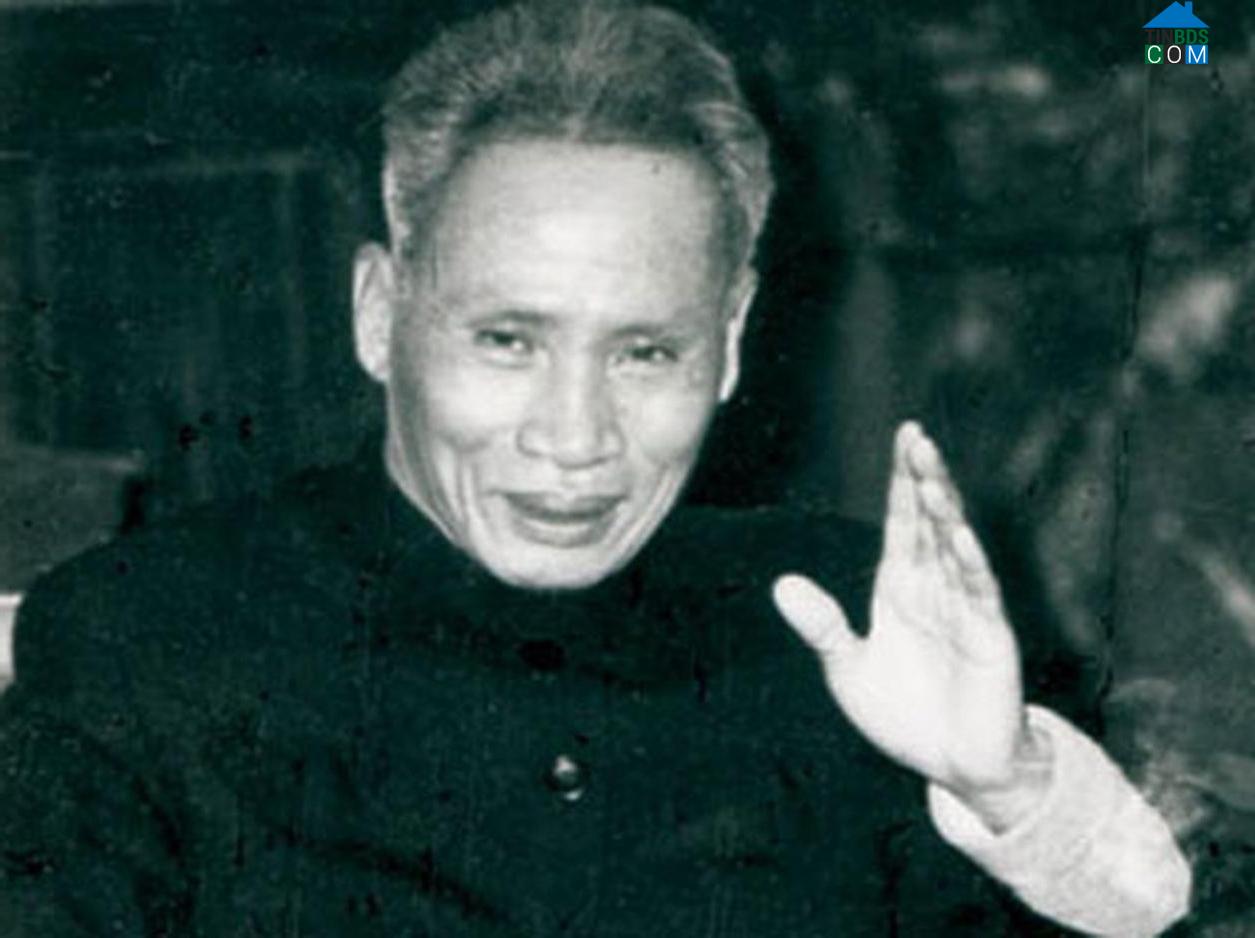
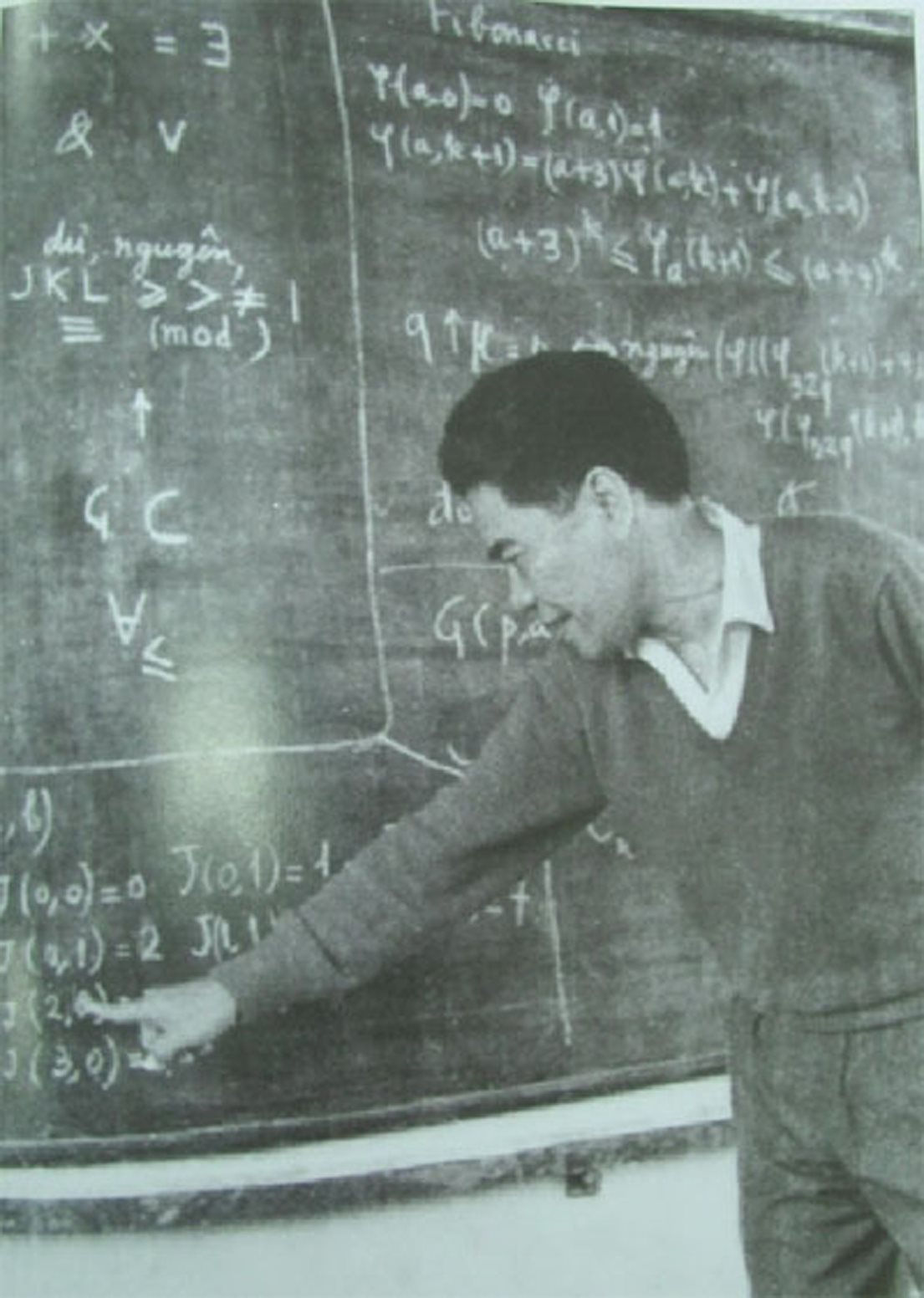
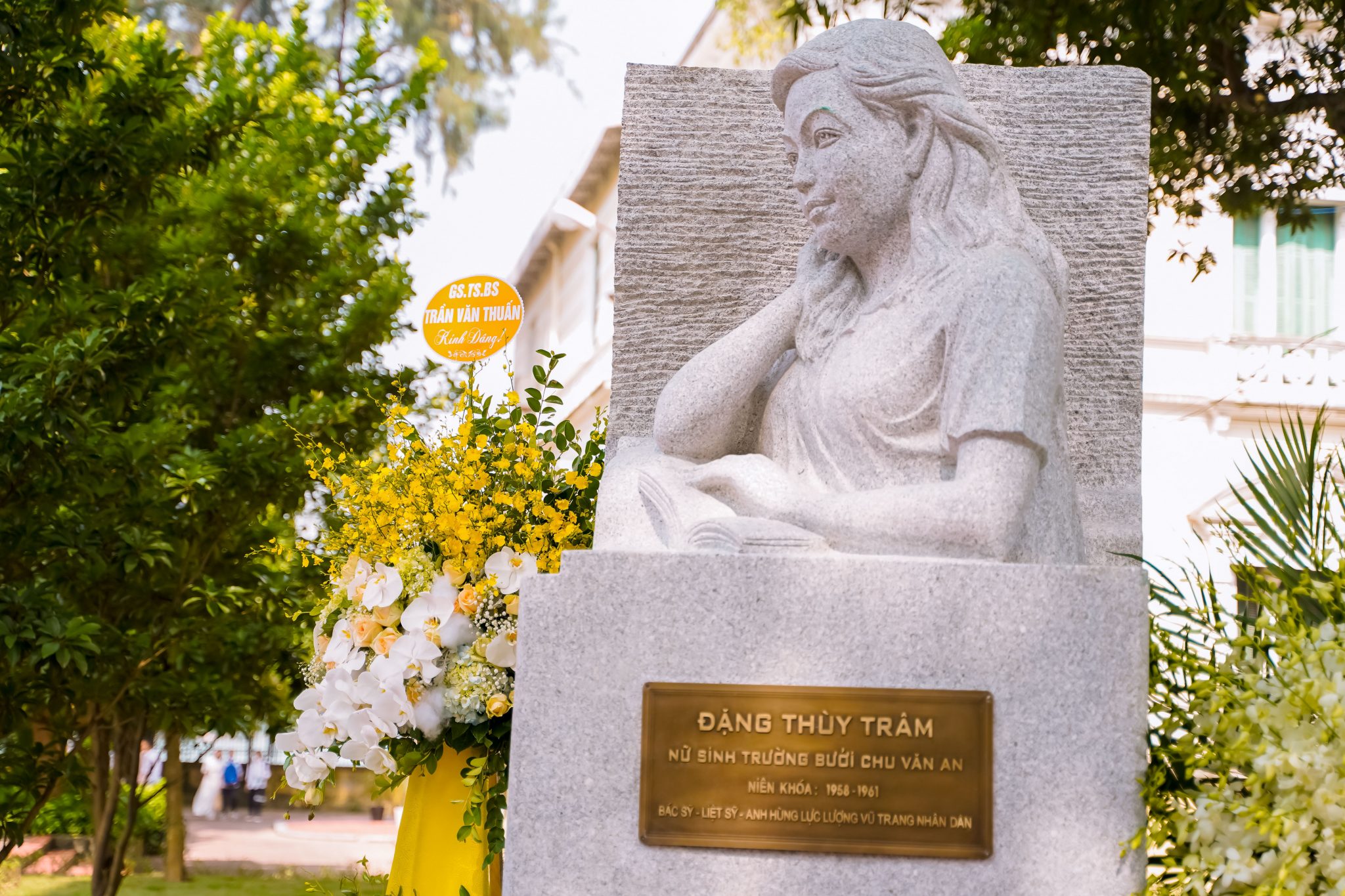
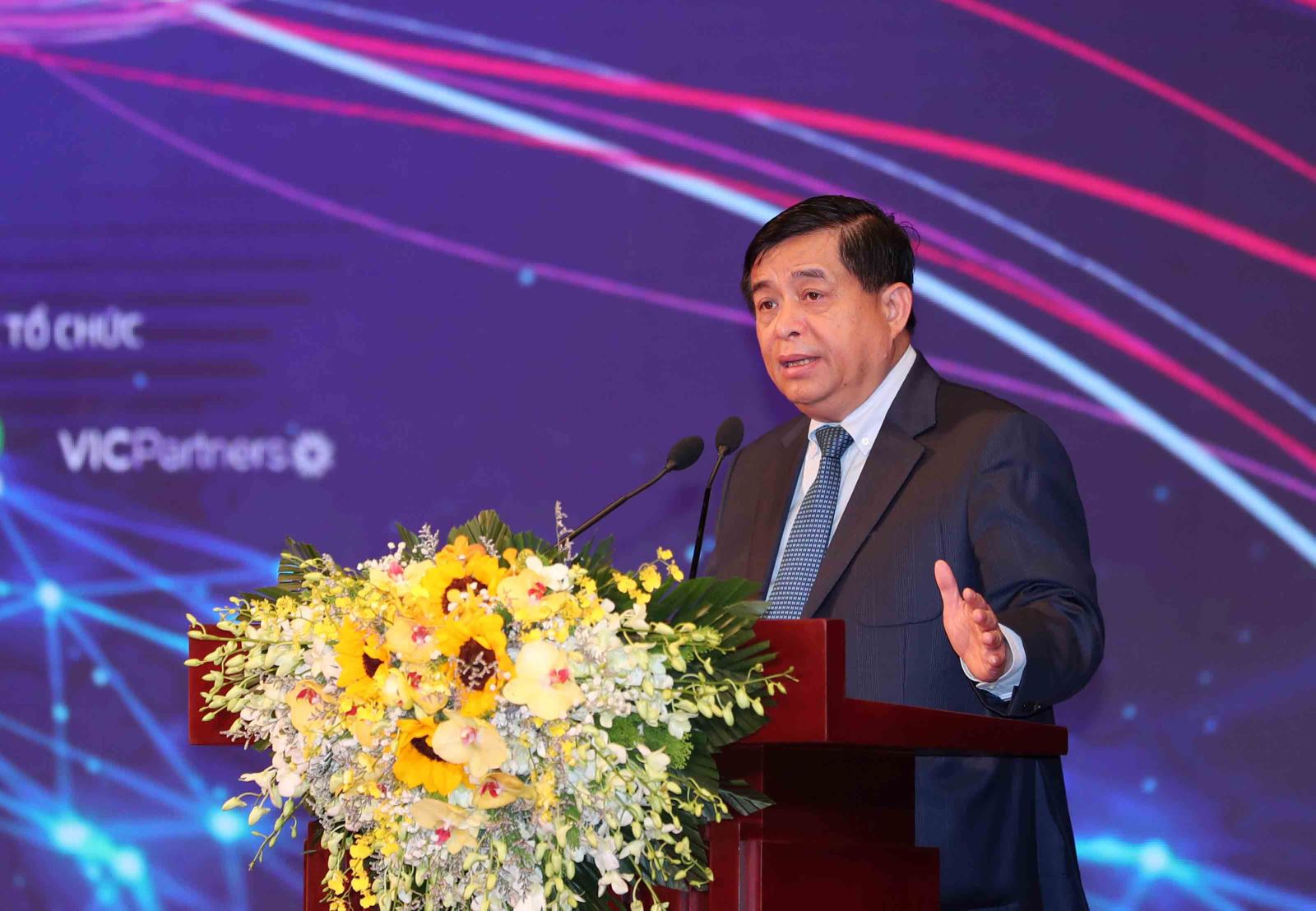
Trong dòng chảy thăng trầm của thời gian hơn 110 năm qua, tại ngôi trường cổ kính và thân thương ấy vẫn còn in đậm những dấu tích thời gian, những nhà giáo mẫu mực, những người thầy có nhiều đóng góp trong sự nghiệp Giáo dục và Đào tạo của Thủ đô và đất nước; đã hi sinh cao cả vì nền độc lập, tự do của đất nước, là tấm gương tiêu biểu cho sự sáng tạo, tiên phong, có sức ảnh hưởng đến sự phát triển của nhà trường trong các giai đoạn lịch sử. Đặc biệt là những cựu học sinh đã trở thành các nhà lãnh đạo cao cấp của Đảng, Chính phủ, Nhà nước CHXHCN Việt Nam và các nước bạn Lào, Cămpuchia; đứng đầu các Bộ, Ban, Ngành, Đoàn thể; Là những người đã đạt các giải thưởng cao quý, có nhiều đóng góp trong lĩnh vực khoa học tự nhiên, khoa học xã hội, trở thành những nhà khoa học hàng đầu trong nước và quốc tế; Những cá nhân có nhiều đóng góp trong đời sống, trong lĩnh vực văn hóa nghệ thuật, có tầm ảnh hưởng lớn, được xã hội ghi nhận; Những cá nhân có nhiều công trình sáng tạo, các phát minh sáng chế được ứng dụng vào trong thực tiễn đời sống kinh tế – xã hội, được các cấp có thẩm quyền chứng nhận.
Nguyễn Phong Sắc (1902-1931), Ông là một trong những thành viên đầu tiên của Chi bộ Cộng sản Bắc Kỳ và một trong những Ủy viên Ban chấp hành Trung ương đầu tiên của Đảng Cộng sản Việt Nam. https://vi.wikipedia.org/wiki/Nguy%E1%BB%85n_Phong_S%E1%BA%AFc
Trịnh Đình Cửu (1906 – 1990), là người tham gia thành lập chi bộ cộng sản đầu tiên ở Việt Nam, Là 1 trong 5 đại biểu chính thức của 2 tổ chức Đảng cộng sản (Đông Dương và An nam); phụ trách BCH Trung ương Đảng lâm thời, đứng đầu BCH TW Đảng khi mới thành lập. https://vi.wikipedia.org/wiki/Tr%E1%BB%8Bnh_%C4%90%C3%ACnh_C%E1%BB%ADu
Nguyễn Xiển (1907-1997), một nhà KH, đồng thời cũng là một chính khách, Tổng Thư ký Đảng Xã hội Việt Nam (1956 -1988) và Phó Chủ tịch Ủy ban Thường vụ Quốc hội Việt Nam (từ năm 1960 đến 1987). https://vi.wikipedia.org/wiki/Nguy%E1%BB%85n_Xi%E1%BB%83n
Nguyễn Cao Kỳ (1930-2011), Thiếu tướng (từng là một tướng lĩnh không quân của Quân lực VNCH). https://vi.wikipedia.org/wiki/Nguy%E1%BB%85n_Cao_K%E1%BB%B3
Nguyễn Đình Ngọc (1932 – 2006), Giáo sư, tiến sĩ khoa học, là một nhà toán học và là một trong những người được ghi nhận là có công đầu trong kế hoạch đào tạo và phát triển ngành tin học Việt Nam. Ông còn là một nhà tình báo và được phong quân hàm Thiếu tướng Công an Nhân dân Việt Nam. https://vi.wikipedia.org/wiki/Nguy%E1%BB%85n_%C4%90%C3%ACnh_Ng%E1%BB%8Dc
Nguyễn Hiến Lê (1912–1984), nhà văn, dịch giả, nhà ngôn ngữ học, nhà giáo dục và hoạt động văn hóa độc lập, với 120 tác phẩm sáng tác, biên soạn và dịch thuật thuộc nhiều lĩnh vực khác nhau như giáo dục, văn học, ngữ học, triết học, lịch sử, du ký, gương danh nhân, chính trị, kinh tế,… https://vi.wikipedia.org/wiki/Nguy%E1%BB%85n_Hi%E1%BA%BFn_L%C3%AA
Võ An Ninh (1907 – 2009), Nhiếp ảnh gia, ủy viên Ủy ban Trung ương Hội Liên hiệp Văn học Nghệ thuật Việt Nam, ủy viên Hội đồng Nghệ thuật Hội Nghệ sĩ Nhiếp ảnh Việt Nam khóa 3. https://vi.wikipedia.org/wiki/V%C3%B5_An_Ninh
Hoàng Ngọc Phách (1896-1973), Nhà văn. https://vi.wikipedia.org/wiki/Hoàng_Ngọc_Phách
Đỗ Quốc Sam (1929-2010), Giáo sư, Tiến sĩ Khoa học, nguyên Đại biểu Quốc hội Việt Nam, nguyên Ủy viên Ban Chấp hành Trung ương Đảng Cộng sản Việt Nam, Bộ trưởng đầu tiên của Bộ Kế hoạch và Đầu tư Việt Nam. https://vi.wikipedia.org/wiki/%C4%90%E1%BB%97_Qu%E1%BB%91c_Sam
Thứ trưởng Phạm Quốc Tường (1929 – 2005).
Nghiêm Chưởng Châu (), nhà giáo Việt Nam, nhà quản lý giáo dục Việt Nam, đảng viên Đảng Cộng sản Việt Nam, đại biểu Quốc hội Việt Nam. Bà từng giữ chức vụ Thứ trưởng Bộ Giáo dục Việt Nam, Giám đốc Sở Giáo dục Thành phố Hà nội, Phó chủ tịch Ủy ban nhân dân thành phố Hà Nội. https://vi.wikipedia.org/wiki/Nghiêm_Chưởng_Châu
Nguyễn Tài Thu (Sinh năm 1931), Anh hùng Lao động của Việt Nam. Hiện nay, ông đang giữ chức Phó Chủ tịch Hội châm cứu thế giới, Chủ tịch Hội Châm cứu Việt Nam và Chủ tịch Hội Cứu trợ Trẻ em. https://vi.wikipedia.org/wiki/Nguy%E1%BB%85n_T%C3%A0i_Thu.
Giáo sư, tiến sĩ thầy thuốc nhân dân Trần Đỗ Trinh.